

Kitchen Sinks 101: How to Choose the Right Sink for Your Kitchen Renovation

When planning a kitchen renovation, the sink is often treated as an afterthought. Benchtops, cabinetry, and appliances usually take priority, while the sink is chosen late in the process.
This is a mistake.
The kitchen sink is one of the most used fixtures in the entire home. It impacts daily functionality, cleaning, food preparation, and even how the kitchen ages over time. Choosing the wrong sink can lead to frustration, poor usability, and unnecessary replacement costs.
This guide explains how to choose the right kitchen sink for your renovation, the different sink types and materials available in Australia, and the practical details that matter long after installation day.
Why Choosing the Right Kitchen Sink Matters
A kitchen sink is:
Used multiple times every day
Permanently fixed into the benchtop
Difficult and expensive to replace
Central to how the kitchen functions
The wrong sink choice can result in:
Water splashing and mess
Limited usable space
Difficult cleaning
Premature wear and damage
Regret once the kitchen is in daily use
The right sink, however, improves:
Workflow and efficiency
Cleaning and maintenance
Visual balance in the kitchen
Long-term satisfaction
That’s why sink selection should be deliberate, not rushed.
The Most Common Kitchen Sink Types in Australia
Australian kitchens typically use one of three main sink mounting styles. Each has advantages and limitations depending on the renovation type.
Topmount (Inset) Kitchen Sinks
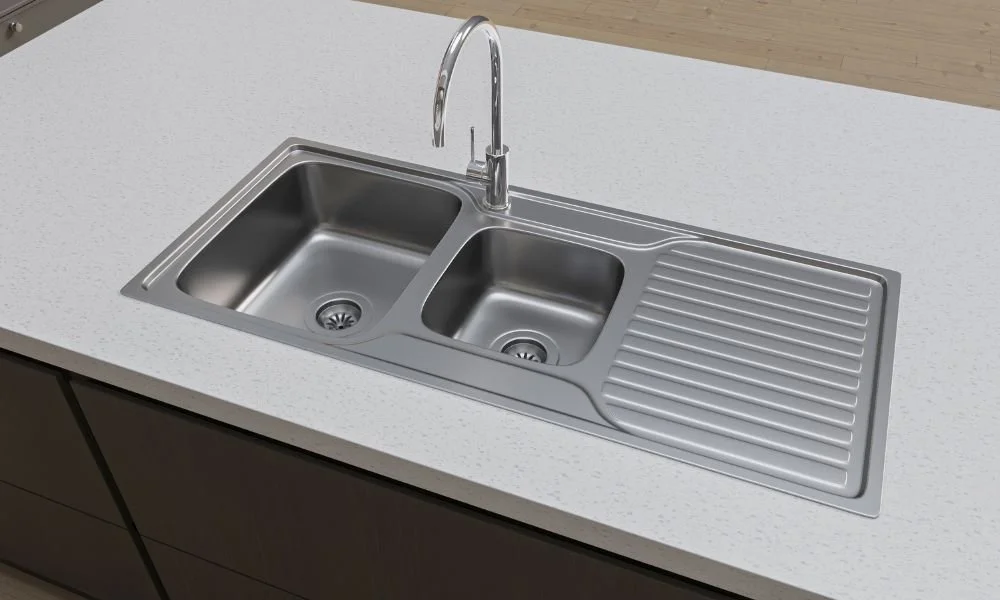
Kalina 1080 Top Mount Kitchen Sink With Drainer
Topmount sinks sit on top of the benchtop, with a visible rim around the cut-out.
Pros
Easiest to install
Compatible with most benchtops
Ideal for renovations and replacements
Lower installation cost
Cons
Visible rim can trap dirt
Slightly less seamless appearance
Topmount sinks are a popular choice for:
Budget-conscious renovations
Laminate benchtops
Quick upgrades
Undermount Kitchen Sinks
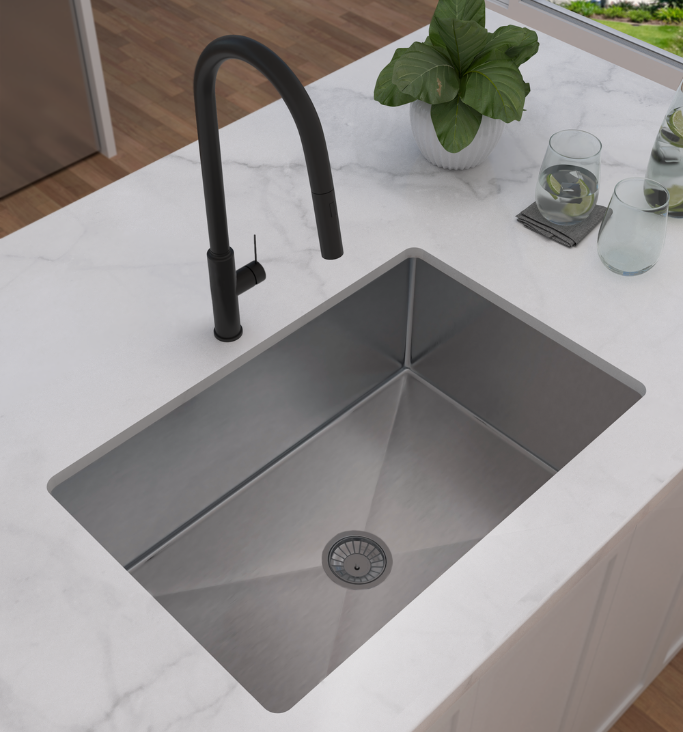
Undermount sinks are installed beneath the benchtop, creating a clean, seamless finish.
Pros
Modern, high-end appearance
Easy to wipe water straight into the sink
No rim on the benchtop surface
Cons
Requires stone or solid surface benchtops
Higher installation cost
Must be planned early
Undermount sinks are ideal for:
Stone benchtops
Full kitchen renovations
Modern and minimalist kitchens
Flushmount / Integrated Kitchen Sinks
Flushmount or integrated sinks sit level with the benchtop surface.
Pros
Extremely clean, architectural look
Seamless integration
Cons
Higher cost
Limited availability
Requires precise installation
This option is usually reserved for high-end or designer kitchens.
Kitchen Sink Materials Explained
Sink material affects durability, maintenance, appearance, and longevity.
Stainless Steel Kitchen Sinks (Most Practical Choice)
Stainless steel is the most widely used kitchen sink material in Australia — and for good reason.
Why Stainless Steel Is So Popular
Highly durable
Hygienic and non-porous
Heat and stain resistant
Easy to clean
Long lifespan
Stainless steel sinks suit:
Family kitchens
Renovations
Modern and traditional homes
High-use environments
They are practical, forgiving, and proven.
Granite / Composite Kitchen Sinks
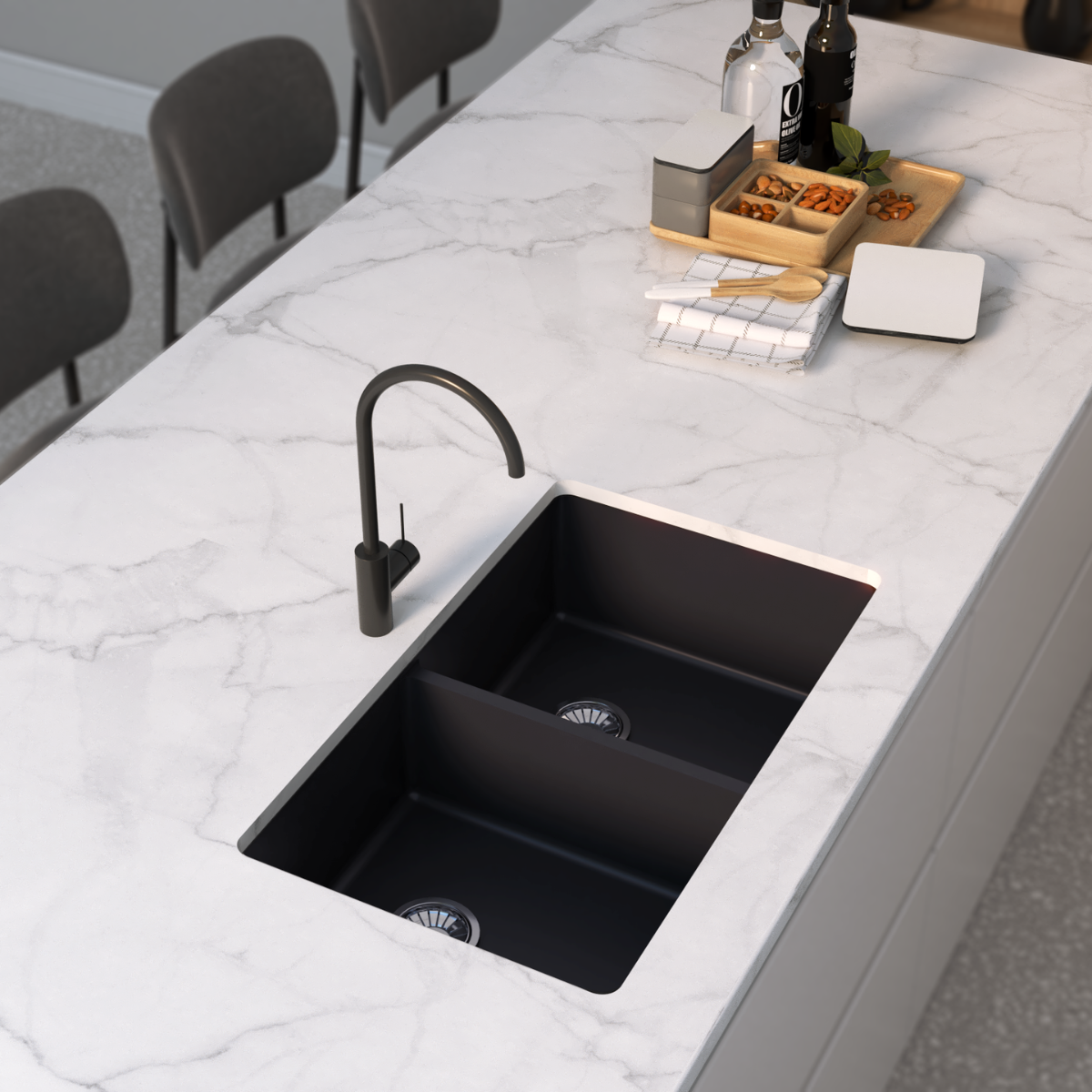
Granite or composite sinks are made from a mix of stone particles and resin.
Pros
Available in darker colours
Strong visual presence
Quieter than thin steel sinks
Cons
Can chip or crack
Show water marks and residue
Less forgiving with impacts
Composite sinks work best in:
Style-driven kitchens
Homes prioritising aesthetics over practicality
Fireclay / Ceramic Kitchen Sinks
Fireclay and ceramic sinks are heavier and more traditional.
Pros
Strong visual appeal
Resistant to staining
Cons
Heavy
Can chip
Less common in modern Australian kitchens
These are typically chosen for heritage or farmhouse-style designs.
Why Stainless Steel Is the Best Sink Material for Renovations
For most renovations, stainless steel remains the most practical and reliable choice.
Key reasons include:
Flexibility across benchtop types
Resistance to thermal shock
Durability under daily use
Easy maintenance
Compatibility with modern kitchens
Scratches that appear over time are normal and contribute to a natural patina rather than a damaged appearance.
Brushed Stainless vs Polished Stainless: What’s Better?
Not all stainless steel sinks look or behave the same.
Brushed Stainless Steel Sinks
Brushed stainless sinks have a satin finish with visible grain.
Advantages
Hide scratches better
Reduce glare
Look more modern
Age more gracefully
Brushed stainless is the preferred option for:
Busy households
Renovations
Long-term use
Polished Stainless Steel Sinks
Polished stainless has a shinier, mirror-like surface.
Downsides
Show scratches more easily
Highlight water spots
Require more frequent cleaning
While polished sinks look good initially, they are less forgiving over time
Pressed vs Handmade Kitchen Sinks: What’s the Difference?
When choosing a stainless steel kitchen sink, one important distinction that is often overlooked is how the sink is manufactured. The two most common options are pressed sinks and handmade sinks, and they differ significantly in appearance, finish, and long-term performance.
Understanding the difference helps you choose a sink that not only suits your kitchen design, but also how you use the space every day.
Pressed Stainless Steel Kitchen Sinks
Pressed sinks are formed by pressing a sheet of stainless steel into shape using a mould.
Key Characteristics of Pressed Sinks
Generally finished in mirror polish or satin
Feature larger internal bowl radiuses
Softer, more rounded internal corners
Typically thinner steel construction
More mass-produced
Because of the larger internal radius, pressed sinks have a more traditional, rounded look. This can suit classic kitchens and is often more forgiving visually.
Pros of Pressed Sinks
Usually more affordable
Smooth, easy-to-wipe internal corners
Familiar, traditional appearance
Cons of Pressed Sinks
Less sharp, modern aesthetic
Mirror or satin finishes show scratches more easily
Limited ability to refinish over time
Pressed sinks are commonly used in:
Budget-conscious renovations
Traditional kitchen designs
Quick replacement projects
Handmade Stainless Steel Kitchen Sinks
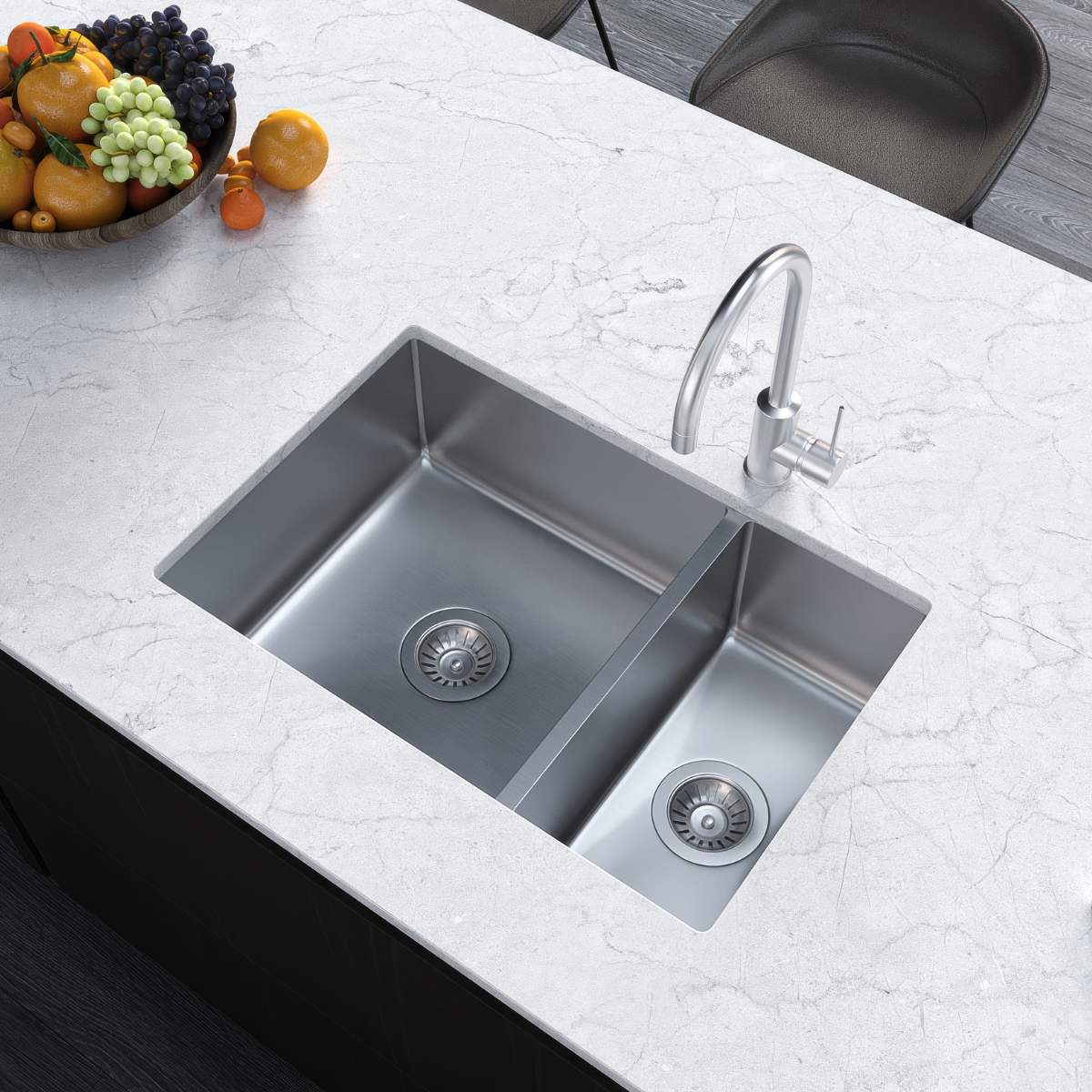
Handmade sinks are formed by welding individual stainless steel panels together, rather than pressing a single sheet.
Key Characteristics of Handmade Sinks
Typically finished in brushed stainless steel
Sharper, more architectural appearance
Internal bowl radiuses as tight as 25mm down to 6mm
Thicker steel construction
More precise, premium feel
The tighter internal radius gives handmade sinks a much more modern and squared-off look, which is why they are popular in contemporary kitchens.
Pros of Handmade Sinks
Modern, high-end aesthetic
Brushed finish hides wear better
Thicker steel improves durability
Squarer bowls maximise usable space
Cons of Handmade Sinks
Generally higher cost
Tighter corners require slightly more attention when cleaning
Handmade sinks are ideal for:
Modern and architectural kitchens
Stone benchtops
Renovations prioritising design and longevity
Internal Bowl Radius: Why It Matters
The internal bowl radius affects both appearance and functionality.
Larger radius (pressed sinks)
Softer, rounded look
Easier to wipe corners
Less contemporary
Smaller radius (handmade sinks)
Sharper, modern appearance
Maximises internal bowl space
Cleaner, architectural lines
For modern Australian kitchens, smaller internal radiuses are increasingly preferred.
Finish Matters: Brushed vs Mirror Stainless
Another key difference between pressed and handmade sinks is the finish.
Pressed sinks are often mirror polished or satin
Handmade sinks are typically brushed stainless steel
Brushed finishes are far more forgiving in daily use and better suited to busy households.
Long-Term Advantage of Brushed Stainless: Reworkable Finish
One major advantage of a brushed stainless steel sink is that it can be reworked over time.
Minor scratches and wear marks that develop with everyday use can be:
Blended back into the grain
Reduced or removed
Refreshed to look close to new
Using 3M Scotch-Brite polishing pads, the brushed finish can be lightly reworked to restore the original grain direction — effectively making the sink look similar to when it left the factory.
This is not possible with mirror-polished finishes, where scratches remain visible permanently.
Practical Takeaway: Which Should You Choose?
Choose a pressed sink if you:
Want a softer, traditional look
Prefer rounded internal corners
Are working to a tighter budget
Choose a handmade sink if you:
Want a modern, architectural aesthetic
Prefer tighter internal bowl corners (25mm–6mm radius)
Want a brushed finish that ages gracefully
Value long-term durability and the ability to refresh the finish
Why This Matters in Renovations
In a renovation, the sink is used daily and is difficult to replace later. Choosing the right manufacturing style upfront ensures:
Better long-term appearance
Greater durability
Less visible wear
Higher perceived quality
For many modern renovations, handmade brushed stainless sinks offer the best balance of aesthetics, performance, and longevity.
Single Bowl vs Double Bowl Kitchen Sinks
This is one of the most common renovation decisions.
Single Bowl Kitchen Sinks
Single bowl sinks offer:
More usable space
Easier cleaning of large items
Better compatibility with dishwashers
They are ideal for:
Modern kitchens
Open-plan layouts
Homes using dishwashers regularly
Double Bowl Kitchen Sinks
Double bowl sinks provide:
Separation for washing and rinsing
Traditional functionality
However, each bowl is usually smaller.
Double bowls suit:
Homes without dishwashers
Traditional kitchen layouts
Choosing the Right Sink Size
Sink size should be based on cabinet size and usage, not just appearance.
Consider:
Cabinet width
Bowl depth
Bench space
Appliance integration
Deeper bowls reduce splashing and improve usability more than wider bowls in many cases.
Kitchen Sink Maintenance & Long-Term Care
All sinks require maintenance — but some are easier than others.
Stainless Steel Sink Maintenance
Use mild cleaners
Avoid harsh abrasives
Wipe dry to reduce water spotting
Minor scratches are normal and blend into the brushed grain over time.
Hard Water Considerations
In mineral-rich water areas:
Water spots are more noticeable
Brushed finishes hide marks better
Regular wiping prevents build-up
This makes brushed stainless particularly practical in Australian conditions.
Renovation vs New Build: Sink Selection Rules Change
Renovations
Work with existing cabinet sizes
Topmount sinks are often easier
Stainless steel offers flexibility
New Builds
More freedom to choose undermount or flushmount
Integrated designs become viable
Planning happens earlier
Understanding your project type helps narrow choices quickly.
Common Kitchen Sink Mistakes to Avoid
Choosing sink style too late
Selecting size based on looks only
Underestimating bowl depth importance
Choosing polished finishes for busy homes
Ignoring long-term maintenance
Avoiding these mistakes prevents regret.
Final Advice: How to Choose a Kitchen Sink That Lasts
The best kitchen sink is the one that:
Suits your renovation type
Handles daily use easily
Is simple to maintain
Ages gracefully
For most Australian renovations, brushed stainless steel sinks deliver the best balance of durability, usability, and value.
Ready to Choose the Right Kitchen Sink?
Whether you’re planning a full renovation or a simple upgrade, choosing the right sink sets the foundation for a functional kitchen.
👉 Explore kitchen sinks online at BathroomDeals.au and choose with confidence.
Frequent Asked Questions - How to Choose the Right Sink for Your Kitchen Renovation
-
Stainless steel is the most practical kitchen sink material due to its durability, hygiene, and ease of maintenance.
-
Yes, undermount sinks offer a clean, modern look but require stone benchtops and proper planning during renovations.
-
Minor scratches are normal and expected. Brushed stainless finishes hide scratches well and develop a natural patina over time.
-
Single bowl sinks offer more usable space and suit modern kitchens, while double bowl sinks suit traditional layouts.
-
Choose a sink based on cabinet width, bowl depth, and how you use your kitchen. Depth often matters more than width.
