

The Hard Truth About Tapware Warranties in Australia
If you’re shopping for bathroom or kitchen tapware in Australia, one thing becomes obvious very quickly:
warranties are used as a major selling tool.
25 years.
30 years.
40 years.
Lifetime cartridge warranty.
Lifetime finish warranty.
At face value, these claims sound reassuring, premium, and responsible. They suggest longevity, quality, and peace of mind.
But here’s the hard truth the bathroom industry rarely explains clearly:
The average Australian bathroom has a real-world life cycle of around 7 to 12 years.
So why are so many tapware suppliers promoting warranties that stretch two, three, or even four times longer than the bathroom they’re installed in?
This article cuts through the marketing language, explains how tapware warranties actually work in Australia, exposes the reality behind “lifetime” and extended warranty claims, and shows you what genuinely matters when choosing tapware that delivers real value — not just impressive numbers on a box.
The Real Australian Bathroom Lifecycle (Not the Marketing Version)
Before warranties even enter the conversation, it’s important to understand how bathrooms are actually used in Australian homes.
Across houses, apartments, renovations, and investment properties, the pattern is remarkably consistent:
Bathrooms are typically renovated every 7–12 years
Styles and finishes date quickly
Waterproofing standards evolve
Plumbing layouts are updated
Homes are refreshed for resale or lifestyle upgrades
Very few homeowners keep the same bathroom for 20 or 30 years. Even fewer keep the same tapware installed for decades.
Bathrooms today are not “install once and forget” spaces — they’re lifestyle rooms that evolve with taste, compliance, and property value. That reality alone should make buyers question ultra-long tapware warranties.
What Does a Tapware Warranty Actually Cover?
Most tapware warranties are split into three main components:
The cartridge (internal mechanical component)
The tap body or structure
The external finish
On paper, this looks comprehensive. In practice, coverage varies widely and often excludes the issues homeowners experience most.
Understanding the difference between marketing claims and real coverage is critical.
Cartridge Warranties Explained — and Why the Number Is Mostly Marketing
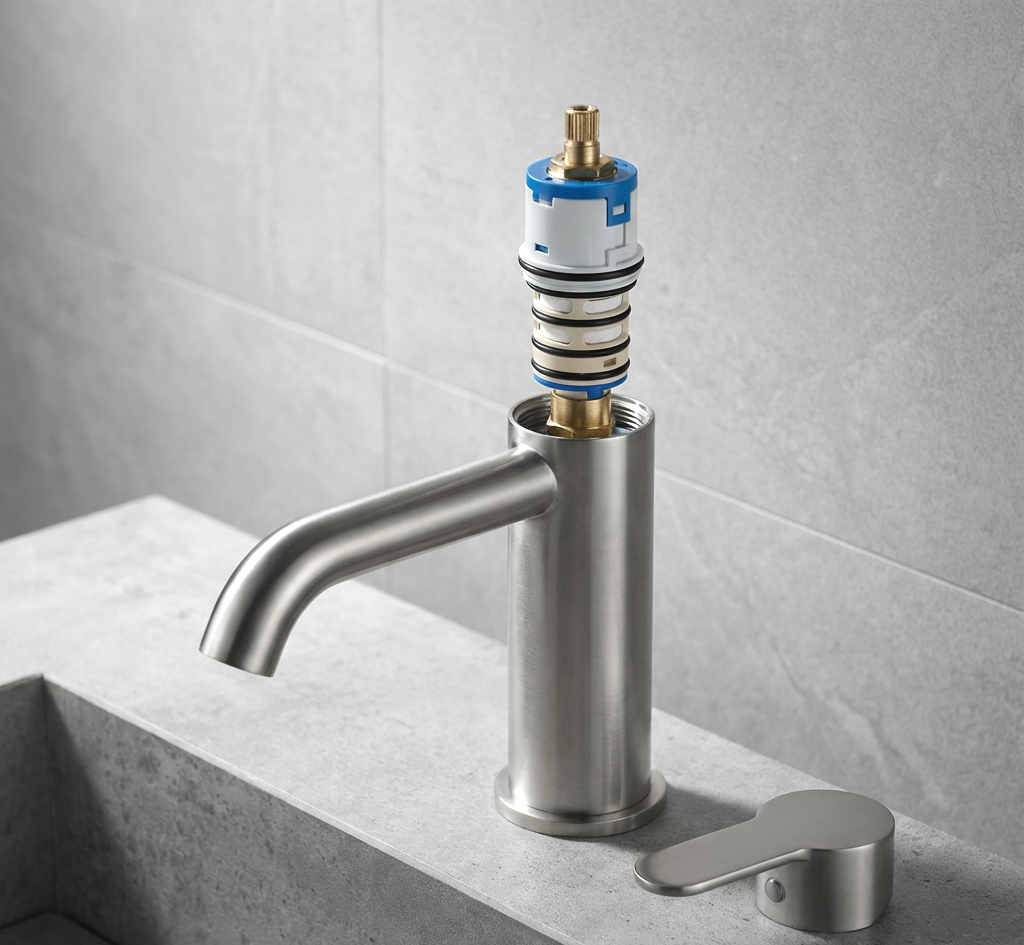
The cartridge is the internal mechanism inside a mixer tap that controls water flow and temperature. Modern ceramic disc cartridges are reliable and proven — but they are still mechanical wear components.
Even high-quality cartridges are affected by:
Water pressure fluctuations
Sediment and debris
Hard water and mineral build-up
Seal degradation
Daily use over time
That’s why cartridges are designed to be replaceable, not permanent.
Why 25–40 Year Cartridge Warranties Exist
From a manufacturer’s perspective, extended cartridge warranties are:
Low cost to offer
Low risk to honour
Rarely claimed decades later
Extremely effective as a marketing tool
Most long cartridge warranties:
Cover the part only
Exclude labour and call-out fees
Rely on strict installation and water condition clauses
So while the number looks impressive, the real-world benefit is often limited.
Does Tapware Warranty Include Labour in Australia?
In most cases, no.
Even when a cartridge is replaced under warranty, homeowners usually still pay for:
A licensed plumber
Call-out fees
Installation labour
In real terms, labour often costs more than the cartridge itself. This is one of the most misunderstood aspects of tapware warranties in Australia.
Spare Parts Availability: The Warranty Factor That Matters Most
A warranty is meaningless if spare parts aren’t available.
And here’s the truth no supplier can realistically guarantee:
No brand can promise identical spare parts availability for 30–40 years.
Product lines change. Tooling is updated. Cartridges evolve. Brands merge or exit markets.
What actually matters is local spare parts availability during the realistic lifespan of your bathroom — roughly a decade.
Tapware that uses common or widely supported cartridge sizes is almost always a safer long-term choice than proprietary systems.
What Does “Lifetime Warranty” Really Mean on Tapware?
“Lifetime warranty” is one of the most misused phrases in the bathroom industry.
It sounds permanent and absolute — but there is no universal legal definition of “lifetime” in tapware warranties.
In practice, lifetime rarely means:
The lifetime of the homeowner
The lifetime of the bathroom
The lifetime of the installed product
It usually means:
The lifetime of the product range
The lifetime of the brand’s discretion
A period governed heavily by exclusions
In other words, lifetime is marketing language — not a guaranteed duration.
Lifetime Warranty Does Not Mean Lifetime Coverage
Most lifetime warranties:
Apply only to specific components
Exclude consumables
Exclude labour
Exclude finishes under normal use
Include broad “wear and tear” clauses
The headline sounds generous, but the actual coverage is often narrow.
Tapware Finish Warranties: What’s Covered vs What’s Excluded
If there is one area where warranties let consumers down the most, it’s tapware finishes.
Finishes are the part you:
See every day
Touch constantly
Clean regularly
Notice first when they deteriorate
Yet they are often the least protected part of the warranty.
Common Finish Issues in Real Bathrooms
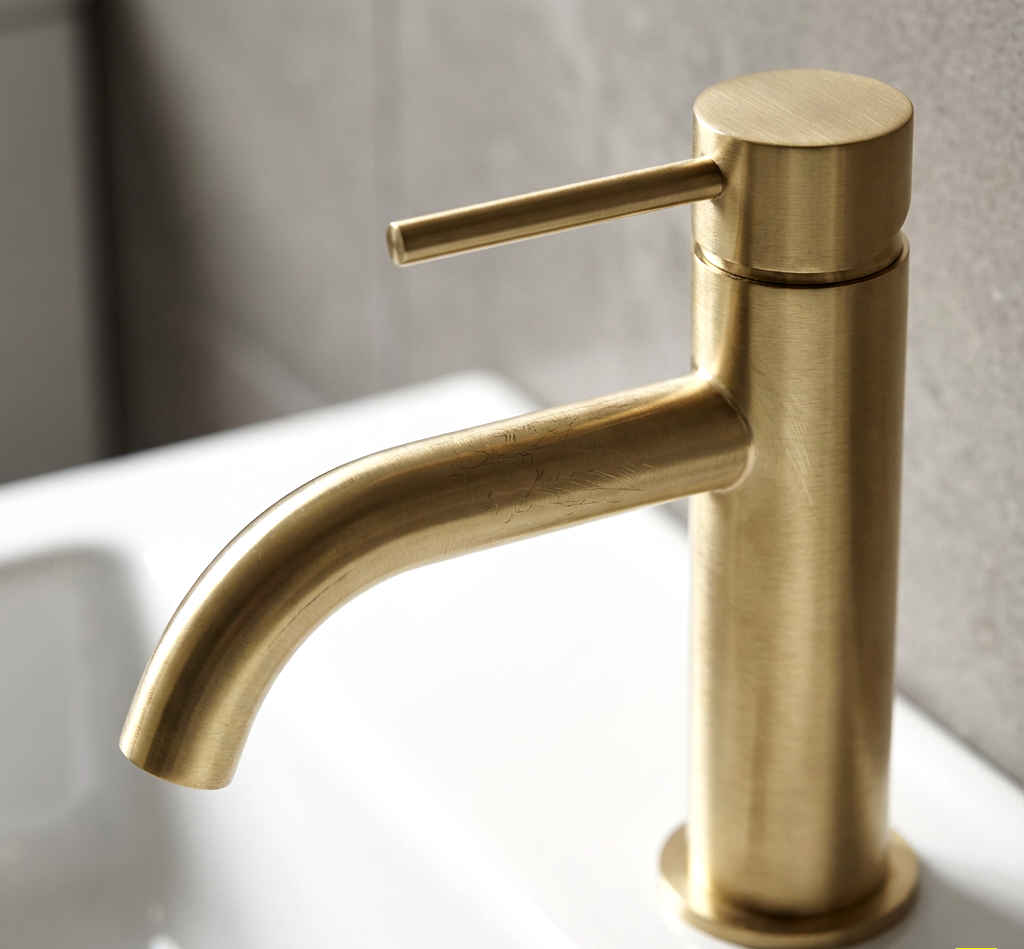
Fine scratches from daily use
Wear around handles and spouts
Dulling of matte or brushed finishes
Discolouration from cleaning products
Edge wear from constant contact
Here’s the uncomfortable truth:
These issues are almost always classified as “general wear and tear” — and excluded from warranty.
Even under so-called “lifetime finish warranties”.
So What Are Finish Warranties Actually Covering?
Typically, finish warranties only cover:
Manufacturing defects
Peeling or flaking under ideal conditions
Coating failure deemed abnormal
They usually do not cover:
Scratches or scuffs
Wear from use
Cleaning damage
Water spotting or mineral build-up
Loss of sheen over time
Which leads to the honest question:
If scratches and wear aren’t covered, what are you really paying for?
“Wear and Tear”: The Industry’s Catch-All Escape Clause
“Wear and tear” is the most powerful phrase in any warranty document.
It allows claims to be declined due to:
Normal use
Handling
Cleaning
Environmental exposure
Time-based ageing
In practice:
The more you use the tapware, the less protected you are
The longer you own it, the harder it is to claim
The most common problems are the least supported
This doesn’t make warranties illegal — but it does make many of them misleading by omission.
Why Finish Quality Matters More Than Finish Warranty
Because finish warranties are so limited, finish quality itself matters far more than the warranty attached to it.
Long-term satisfaction comes from:
High-quality PVD or electroplated finishes
Consistent coating thickness
Proper surface preparation
Resistance to micro-scratching
Colour stability over time
A well-made finish that ages gracefully will always outperform a long warranty that excludes real-world use.
What You Should Actually Look for in a Tapware Warranty That Matters
1. Realistic Warranty Periods
A 10–15 year warranty aligns with real bathroom lifecycles and offers genuine protection during the years failures are most likely.
2. Local Spare Parts Availability
Parts stocked in Australia matter more than headline warranty length.
3. Clear Labour Terms
Know upfront whether labour is included or excluded.
4. Transparent Finish Warranty Language
Avoid vague “lifetime” claims. Look for clear inclusions and exclusions.
5. Brand Stability and Support
A shorter warranty from a stable brand is often worth more than a lifetime warranty from a brand that may not exist in 10 years.
6. Ease of Servicing
Tapware should be easy for plumbers to service without proprietary tools or rare components.
The Bathroom Deals Approach to Warranties
At Bathroom Deals, we focus on real-world performance, not inflated promises.
That means:
Honest warranty expectations
Durable finishes
Proven cartridge systems
Practical spare parts support
Clear information without jargon
We believe trust is built on clarity — not clever wording.
The Bottom Line
Long cartridge warranties and lifetime finish claims aren’t inherently bad — but they are often misunderstood, overemphasised, and irrelevant to how Australians actually renovate and live.
The smartest tapware choice isn’t the one with the biggest warranty number.
It’s the one that will still make sense 10 years from now.
Frequent Asked Questions - Tapware Warranties In Australia
-
Most Australian bathrooms are renovated every 7 to 12 years, driven by design changes, wear and tear, waterproofing upgrades, and resale improvem
-
In most cases, no. These warranties often outlast the bathroom itself and usually cover parts only, not labour.
-
It typically covers replacement of the cartridge component only. Labour, plumber call-out fees, and installation are commonly excluded.
-
Most Australian tapware warranties do not include labour. Homeowners usually pay plumbing costs even when parts are replaced under warranty.
-
It rarely means the lifetime of the homeowner or bathroom. It’s usually an undefined term governed by the manufacturer’s conditions and exclusions.
-
Generally, no. Scratches, scuffs, dulling, cleaning damage, and general wear and tear are usually excluded.
-
Local spare parts availability is critical. A realistic warranty with accessible parts offers more value than an ultra-long warranty with limited support.
-
Not necessarily. Build quality, finish durability, serviceability, and brand stability are better indicators of long-term performance.
-
Clear terms, realistic coverage, local spare parts, transparent finish exclusions, and a brand with established Australian support.
