

Why Linear Shower Drains Are the Preferred Choice for Modern Australian Bathrooms
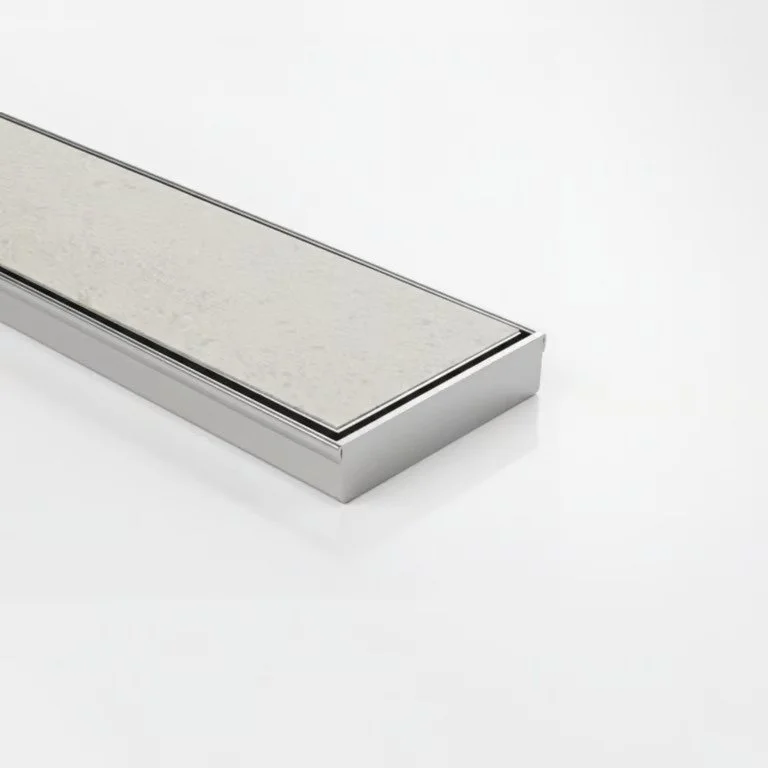
Linear Tile Insert Grate In Black
Linear shower drains have rapidly become the defining drainage solution in contemporary Australian wet areas, replacing the small, central floor waste that dominated bathroom design for decades. If you are planning a renovation or new build in 2026, understanding why this shift has occurred will help you make an informed decision that affects everything from the look of your tiling to the long-term accessibility of your home. This article examines the aesthetic, functional, and practical advantages of linear drains over traditional centre wastes, and provides clear guidance for homeowners, builders, architects, and plumbers navigating the Australian market.
The Shift from Centre Wastes to Linear Drains in Australian Bathrooms
For most of the twentieth century, the Australian bathroom followed a predictable formula: a shower tray or recessed floor with a single, round or square grate positioned dead centre. The floor was screeded from all four sides, sloping down toward that one point. This approach worked, but it imposed serious limitations on design. The rise of open-plan wet rooms, hobless showers, and large-format tiles over the past decade has made the centre waste increasingly impractical.
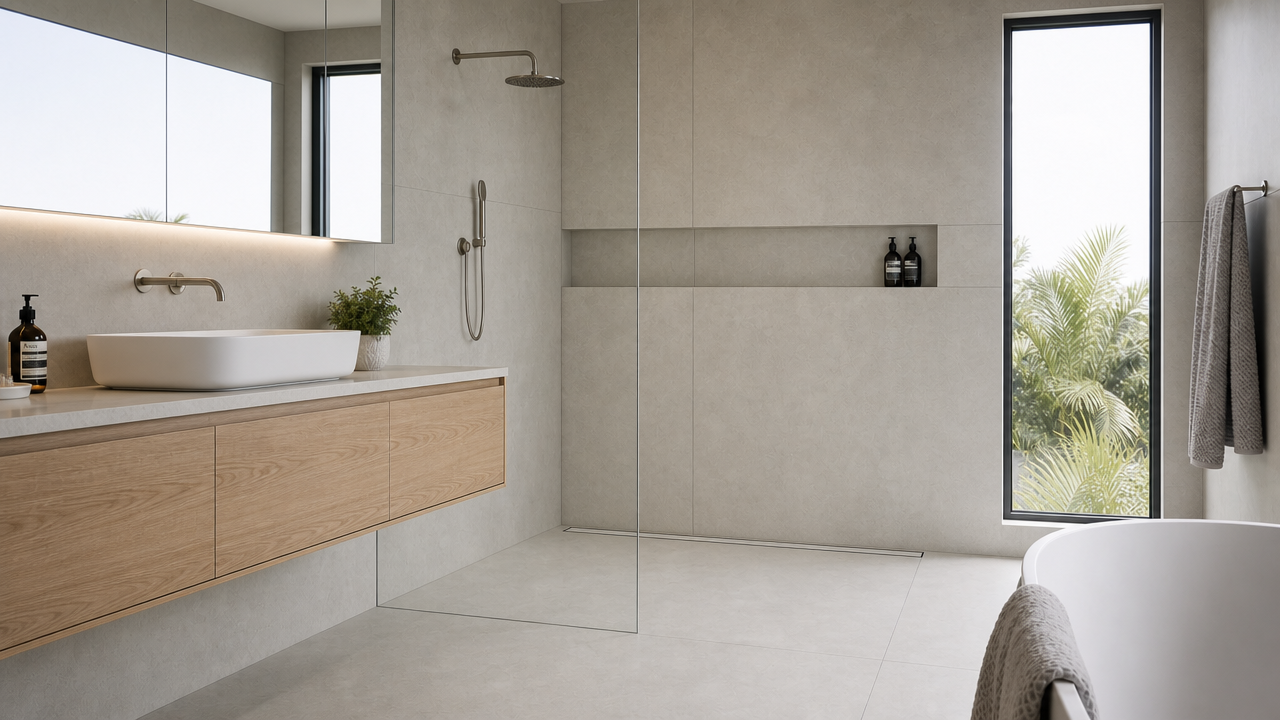
Several forces have driven the change. First, the Australian appetite for indoor-outdoor living has extended into bathroom design, with floor tiles now running continuously from the bedroom or hallway straight into the shower area. A small plastic grate in the middle of that expanse destroys the visual flow. Second, the push toward accessible housing, reinforced by the Livable Housing Design Guidelines and the National Construction Code updates, has made zero-threshold showers a priority for both new builds and renovations. A centre waste demands a floor that falls from every direction, which almost always requires a hob or step-up to contain the water. A linear drain placed along one edge solves that problem.
Builders and renovators in 2026 are specifying linear drains as standard because they align with what clients want: clean lines, fewer visual interruptions, and bathrooms that feel larger and more open. The shift is no longer a niche architectural choice; it has become the default for any project that aspires to a modern Australian aesthetic.
What Exactly Is a Linear Shower Drain?
A linear shower drain is a long, narrow channel that collects water along its entire length, rather than at a single point. Typically installed against a wall, at the shower entry, or occasionally across the centre of a wet room, the drain consists of a stainless steel channel body, a removable grate or tile insert, an outlet connection, and a trap. Water flows across the floor on a single-plane fall, hits the channel, and is directed to the waste pipe.

In the Australian market, linear drains are available in lengths from 800 millimetres up to 1800 millimetres, with common widths from Neston is 105 millimetres. Depths are 24millimetres to suit up to 10mm tile thickness, depending on the model and the required flow capacity. The channel body is almost always fabricated from 316 grade stainless steel, chosen for its corrosion resistance and structural integrity in wet environments.
Centre Outlet vs. Flexible Outlet Designs
A unique advantage of Neston Linear Tile Insert Drain Kits is their flexibility when it comes to outlet positioning. Unlike many linear drains that are manufactured with a fixed centre or end outlet location, Neston kits are supplied with a separate loose outlet connection that allows the installer to customise the outlet position to suit the specific plumbing layout of the project. During installation, a licensed plumber can drill the outlet hole at the most suitable location along the channel, providing greater freedom to work around existing pipework, structural elements, or site-specific design requirements.
This customisable outlet system can help reduce installation complexity and minimise unnecessary plumbing alterations, particularly in renovation projects where the existing waste location may not align with a standard drain configuration. Whether the application requires a centre outlet, offset outlet, or end outlet arrangement, Neston Linear Drain Kits can be adapted to suit the project's needs. Combined with the ability to cut the channel and tile insert tray to length on-site, this flexibility makes Neston linear drains an ideal solution for builders, plumbers, and homeowners seeking a tailored drainage system without the limitations of fixed outlet positions
Top 5 Advantages of Linear Shower Drains Over Traditional Centre Wastes
The case for linear drains rests on five clear advantages that address the shortcomings of the traditional centre waste. Each of these factors has contributed to the product's dominance in modern Australian bathrooms.
1. Superior Aesthetics and a "Disappearing" Look
A traditional centre grate sits in the middle of the shower floor like a full stop, interrupting the tile pattern and drawing the eye. A linear drain, by contrast, can be made to almost vanish. Tile insert grates, such as the Neston linear drains available through Bathroom Deals feature a recessed tray that accepts the same floor tile used in the rest of the shower. Once installed and grouted, the drain becomes nearly invisible, with only a thin perimeter line indicating its presence.
For those who prefer a visible grate, stainless steel finishes in brushed stainless, matte black, brushed brass, or warm brushed brass offer a deliberate design accent rather than an eyesore. The long, slim profile reads as an architectural feature, not a necessary compromise. In either case, the result is a cleaner, more considered bathroom floor.
2. Seamless Compatibility with Large-Format Tiles
Large-format tiles, those measuring 600 by 600 millimetres and larger, have become the standard for contemporary Australian bathrooms. Laying these tiles around a small centre waste is a tiler's nightmare. The floor must be cut into four triangular quadrants, each with a diagonal slice to accommodate the grate. The result is a fragmented, busy floor that undermines the very reason for choosing large tiles in the first place.
A linear drain requires only a single-plane fall. The floor slopes in one direction, and the tiles can be laid in a consistent grid without complex cuts. The drain sits at the low edge, and the tiles meet it cleanly. This reduces labour time, minimises material waste, and produces a floor that looks as though it was designed as a whole, not pieced together around a drain.
3. Improved Accessibility and Hobless Shower Entry
Perhaps the most significant functional advantage of a linear drain is that it enables a true hobless, or zero-threshold, shower. Because the floor falls in a single plane toward one edge, there is no need for a raised step to contain water. The shower floor can sit flush with the rest of the bathroom floor, allowing unimpeded access for wheelchairs, walking frames, and anyone with reduced mobility.
This is not merely a design preference; it is increasingly a compliance requirement. Australian Standard AS 1428.1, which governs design for access and mobility, calls for step-free shower entries in accessible bathrooms. Even in non-mandated residential projects, the ageing-in-place movement has made hobless showers a sought-after feature. Brands like Stormtech have developed specific hobless entry systems and even shower screen support drainage channels that integrate the screen base with the drain, eliminating the need for a separate hob or channel.
4. Greater Design Flexibility
A centre waste dictates the shower layout: the drain must be in the middle, and the floor must fall toward it from all sides. A linear drain frees the designer from that constraint. It can be placed against the back wall, along the side wall, across the shower entry, or even in the centre of a larger wet room that serves both the shower and the bath.
This flexibility extends beyond the bathroom. Linear drains are suitable for balconies, laundries, driveways, and poolside areas. Stormtech, which positions itself as the original linear grate and drain system, offers custom fabricated solutions for unique architectural requirements. If a project demands a non-standard length, a specific outlet configuration, or a grate pattern not found in off-the-shelf products, custom fabrication provides an answer.
5. Better Water Management and Drainage Performance
A linear drain captures water along its entire length, providing a significantly longer weir edge than a single point drain. This means water is intercepted more efficiently, reducing the chance of pooling or overflow. The channel itself acts as a small reservoir, holding water momentarily while it drains through the outlet.
Some models incorporate a heelguard pattern, a 3-millimetre wedge wire design that prevents stiletto heels from catching in the grate. This feature, offered by Neston addresses a genuine user concern without compromising water flow. Adjustable outlet designs with internal folds, like those from Neston, actively direct water toward the waste connection, improving drainage speed. While no published flow-rate comparisons exist across brands, the physics of a longer collection edge and a dedicated channel body suggests superior real-world performance over a single-point centre waste.
Materials, Finishes, and Durability: What to Look For
Selecting a linear drain involves more than picking a length and a colour. The material grade, finish quality, and certification status determine how well the product will perform over decades of use.
Stainless Steel Grades: 304 vs. 316
The two stainless steel grades found in Australian linear drains are 304 and 316. Grade 304 is the standard for indoor applications. It offers excellent corrosion resistance in normal bathroom conditions and is the more cost-effective choice for most residential projects. Grade 316, often called marine-grade, contains molybdenum, which provides superior resistance to salt and chemical corrosion. For coastal homes, outdoor balconies, or poolside installations where chlorine and salt spray are present, 316 is the recommended specification. The price difference is modest relative to the total project cost, and the extra durability is worth the investment in aggressive environments.
Popular Finishes in the Australian Market
The days of being limited to a standard stainless steel grate are long gone. Neston offers linear shower drains in a range of designer finishes including Stainless Steel, Matte Black, Brushed Gold, Gun Metal, and Brushed Brass. These options allow the drain to coordinate seamlessly with tapware, shower screens, and bathroom accessories. A Matte Black drain paired with black tapware creates a bold, contemporary look, while Brushed Gold, Gun Metal, or Brushed Brass finishes complement modern luxury bathroom designs. For those seeking a minimalist appearance, tile insert grates provide a near-invisible drainage solution by using the surrounding floor tile as the visible surface, creating a clean and seamless finish.
Finish choice also affects maintenance. Brushed and matte surfaces hide water spots and fingerprints better than polished finishes. In hard-water areas, a lighter brushed finish may show less scale buildup than a dark matte colour. These are small considerations that pay off in daily use.
WaterMark Certification and Australian Standards
WaterMark certification is not optional for plumbing products installed in Australia. It confirms that the product has been tested and meets the requirements of the Plumbing Code of Australia. For linear drains, the relevant specification is WMTS-040:2021. Products without WaterMark certification cannot legally be installed by a licensed plumber, and using them may void home insurance.
Reputable Australian brands make product compliance and quality assurance clear. Brands such as Neston offer WaterMark-certified drainage solutions, giving homeowners, builders, and plumbers confidence that the products comply with Australian plumbing standards and the requirements of the National Construction Code. When comparing linear shower drains, look for products that are WaterMark approved and backed by a manufacturer’s warranty. These are some of the most reliable indicators of a high-quality drainage solution designed for long-term performance, durability, and compliance in Australian bathrooms.
Installation Considerations for Builders, Plumbers, and DIYers
Installing a linear drain is not inherently complex, but it demands precision and a thorough understanding of waterproofing requirements. Mistakes made at the installation stage are difficult and expensive to correct once tiling is complete.
Pre-Installation Planning
One of the most important installation considerations for any shower drain is achieving the correct floor fall. In Australia, the minimum recommended fall within a shower area is 1:80, meaning the floor should fall at least 12.5 millimetres over every metre towards the drain. When a linear shower drain is positioned against a wall or at the rear of the shower, the floor can typically be formed with a single-plane fall rather than the multiple falls required for a traditional centre floor waste. This simplifies tiling, reduces tile cutting, and creates a cleaner visual appearance. However, the fall must be carefully constructed to ensure water drains efficiently without pooling on the floor surface.
Equally important is the integration of the waterproofing system with the drain. The waterproof membrane must be correctly connected to the drain flange to create a continuous watertight seal and prevent moisture from penetrating the building structure. Quality linear drainage systems are designed to work with compliant waterproofing membranes and installation methods commonly used in Australian construction. For best results, installation should always be completed in accordance with the manufacturer's instructions and relevant Australian Standards, ensuring both long-term performance and compliance with building requirements.
Step-by-Step Installation Overview
Installation begins with setting the channel body at the correct height. The top of the channel must sit flush with the finished floor level, accounting for tile thickness and adhesive. The channel is typically set into a recess in the substrate and fixed in place. The outlet is then connected to the waste pipe, with the choice of centre or end outlet dictating the plumbing route.
Once the channel is secured and connected, the waterproof membrane is applied over the flange and the surrounding floor area. After the membrane cures, the floor is screeded to the required fall. Tiling proceeds from the high point of the floor down toward the drain. For tile insert models, the tile is cut to fit the recessed tray and adhered in place, leaving a small gap around the perimeter for grout. The grate or tile insert panel is the last component installed, sitting flush with the finished floor.
Common Mistakes to Avoid
The most frequent error is an incorrect fall direction or insufficient slope. Even a slight dip in the screed can create a low spot where water pools. Another mistake is using a non-certified drain in a project that requires compliance, such as a commercial fit-out or an insured residential renovation. The cost savings are negligible compared to the risk of a failed inspection or a rejected insurance claim.
Failing to account for grate removal access is another oversight. Linear drains require periodic cleaning, and the grate or tile insert must be removable. If the tiler grouts the insert in place, accessing the channel for maintenance becomes destructive. The installation instructions for every reputable product specify that the grate must remain removable, and this should be communicated clearly to the tiling contractor.
Cost Comparison: Linear Drains vs. Traditional Centre Wastes
Cost is often the first question homeowners ask, and the answer requires looking beyond the product price tag to the total installed cost and long-term value.
Upfront Product Costs
Neston Linear Tile Insert Drain Kits offer an affordable way to achieve a premium, modern bathroom finish without the high price tag often associated with designer drainage solutions. The Neston 800mm Linear Tile Insert Drain Kit starts from just $269.00, providing a complete drainage solution that combines contemporary aesthetics with installation flexibility. Available in a range of lengths and finishes, Neston kits are designed to suit everything from standard residential bathrooms through to luxury renovations and architectural projects.
When comparing costs, it is important to consider more than just the purchase price of the drain itself. While a traditional centre floor waste may have a lower upfront cost, a Neston Linear Tile Insert Drain can simplify floor grading, reduce tile cutting, and create a seamless finish that adds value to the overall bathroom design. Combined with the ability to customise the outlet position and cut the channel to length on-site, Neston Linear Drain Kits deliver a level of flexibility and visual appeal that makes them a popular choice for homeowners, builders, and plumbers seeking a high-quality drainage solution.Installation Cost Differences
Online community discussions, including Reddit threads from Australian renovators, suggest that the upgrade cost for a linear drain installation sits around $600 above a standard centre waste installation. This figure accounts for the additional waterproofing detail, potential structural adjustments to accommodate the channel, and the tiling work required to achieve a clean finish. The single-plane fall actually reduces tiling complexity compared to a four-way fall, which can offset some of the cost. The net increase is modest in the context of a full bathroom renovation, where total budgets often exceed $20,000.
Long-Term Value
The value proposition extends beyond the installation day. Reduced tile cutting saves labour and material waste, which is particularly relevant when working with expensive large-format tiles. A modern, accessible bathroom with a linear drain and hobless entry adds to resale value, appealing to buyers who recognise the design and practical benefits. Stainless steel linear drains also outlast standard plastic centre wastes, which can become brittle, discoloured, or cracked over time. When viewed over a 10- to 20-year horizon, the linear drain is the more durable and cost-effective choice.
Maintenance and Cleaning Tips for Linear Shower Drains
Keeping a linear drain clean is straightforward, but the method differs slightly depending on the grate type. For standard stainless steel grates, lift the grate by hand or with the provided removal tool. Clear any hair and debris from the channel body, paying attention to the outlet area where blockages tend to form. Rinse the channel with hot water and replace the grate.
Tile insert grates require a little more care. The insert is heavier than a standard grate, so lift it carefully to avoid chipping the tile edges. Clean the channel as you would with a standard grate, and check that the insert sits flush when replaced. A hair catcher placed over or inside the channel can significantly reduce the frequency of deep cleaning.
For all Neston linear shower drains, regular cleaning with mild soapy water and a soft cloth is recommended to maintain the appearance and performance of the drain. For coloured PVD finishes such as Matte Black, Brushed Gold, Gun Metal, and Brushed Brass, only soapy water should be used for cleaning. Harsh chemicals, bleach-based cleaners, acidic products, drain-cleaning chemicals such as Drano, and abrasive cleaning agents should be avoided as they can damage the PVD coating and affect the finish over time. Likewise, abrasive cleaners, steel wool, and scouring pads should never be used on either coloured or stainless steel finishes, as they may scratch the surface. The tile insert grate maintains its seamless appearance best when cleaned with the same mild products used on the surrounding floor tiles, helping preserve a consistent look throughout the bathroom for years to come.
Frequently Asked Questions About Linear Shower Drains
Are linear shower drains hard to install?
For a licensed plumber experienced with modern wet-area waterproofing, installation is routine. The critical steps involve setting the channel height correctly and integrating the waterproof membrane. DIY installation is not recommended unless you have tiling and waterproofing experience, as errors can lead to leaks and non-compliance.
Do linear drains drain faster than centre wastes?
The longer weir edge of a linear drain captures water more efficiently, and the channel body provides temporary storage during peak flow. While no standardised flow-rate data is published for direct comparison, the design inherently manages water better than a single-point drain, particularly in showers with high-flow rainfall heads.
Can I use a linear drain in a small shower?
Yes. Linear drains are available in lengths as short as 800 millimetres, making them suitable for compact ensuites and apartment bathrooms. A shorter drain placed along one wall still provides the aesthetic and functional benefits of the linear format.
What is the best finish for a linear drain in a coastal home?
316 marine-grade stainless steel is the recommended material for coastal environments. The finish, whether brushed or matte, is a secondary consideration, but the underlying steel grade is what determines corrosion resistance in salt-laden air.
Do I need a special waterproofing system for a linear drain?
You need a waterproofing system that is compatible with the drain flange. Most major membrane manufacturers design their products to work with standard puddle flanges, but you should confirm compatibility before purchasing.
Why Choose Neston Linear Shower Drains for Your Australian Project
Neston linear shower drains represent a premium choice for Australian bathrooms, combining the design flexibility and durability that modern projects demand. The Neston range includes tile insert options that disappear into the floor, as well as stainless steel grates in finishes that complement any tapware selection. Every Neston drain is WaterMark certified, meeting the compliance standards required for Australian residential and commercial installations, and is backed by a competitive warranty that provides peace of mind for homeowners and specifiers alike.
Whether you are renovating a family bathroom, building a coastal home that requires 316-grade stainless steel, or specifying drainage for a multi-residential project, Neston offers a solution that balances performance, aesthetics, and value. The range is available now through Bathroom Deals, with full specifications and finish samples to support your selection process. Explore the Neston linear shower drain collection at bathroomdeals.au and take the next step toward a cleaner, more accessible, and better-designed bathroom.
Final Thoughts: Making the Switch to Linear Drainage
The linear shower drain has earned its place as the preferred choice for modern Australian bathrooms. It delivers a cleaner aesthetic, supports the use of large-format tiles, enables true hobless access, and offers design flexibility that a centre waste simply cannot match. For homeowners planning a renovation in 2026, for builders seeking to differentiate their projects, and for architects specifying wet-area details, the decision to specify a linear drain is one that pays dividends in both daily use and long-term value. The products are readily available, the installation techniques are well established, and the cost premium is modest when measured against the benefits. The only question left is which finish and length will suit your project best.
